
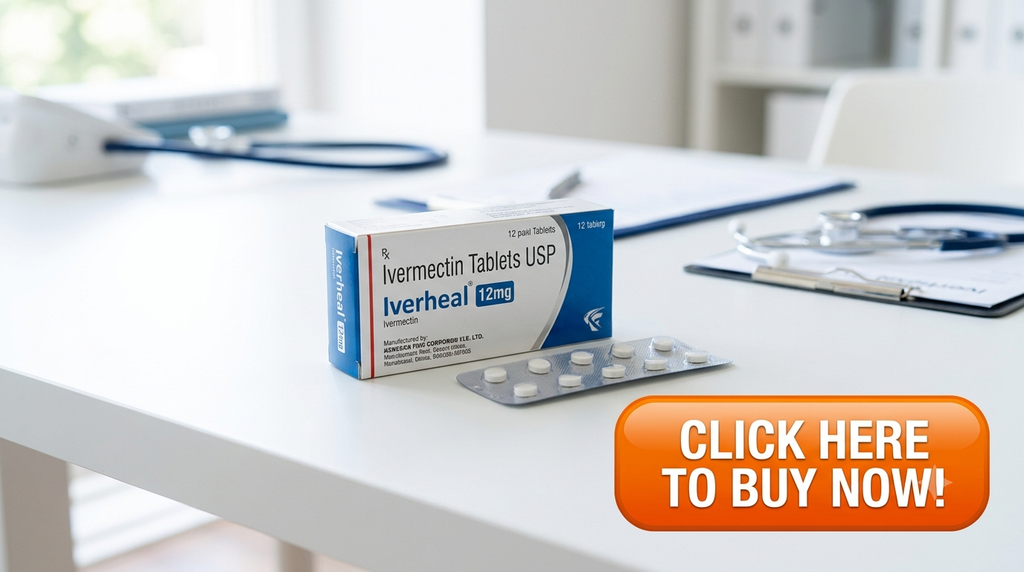
What Is Iverheal 12 Tablet?
Iverheal 12 mg is an oral tablet containing 12 mg of ivermectin, according to product information available for this brand. Ivermectin belongs to a class of medicines known as antiparasitic agents or anthelmintics.
These medicines work against susceptible parasites that can cause infections in humans.
Ivermectin affects specific nerve and muscle functions in susceptible parasites, leading to paralysis and their eventual elimination or control. The precise effect depends on the parasite and the infection being treated.
The strength of the tablet does not mean that every patient should take one tablet. The correct dose and schedule depend on factors such as body weight, diagnosis, medical history, and the prescriber’s instructions.
Iverheal 12 Tablet Benefits
The main benefits of Iverheal 12 are related to its antiparasitic action. Its usefulness depends on whether the patient has an infection that responds to ivermectin.
1. Helps Treat Certain Intestinal Worm Infections
One established use of oral ivermectin is the treatment of intestinal strongyloidiasis, an infection caused by the parasitic roundworm Strongyloides stercoralis.
The infection may cause abdominal discomfort, diarrhoea, skin symptoms, or no noticeable symptoms at all.
When prescribed for a confirmed or appropriately diagnosed infection, ivermectin can help eliminate susceptible parasites and resolve the infection. Follow-up testing may be necessary to confirm that treatment has worked.
2. Helps Control Onchocerciasis
Onchocerciasis, also called river blindness, is a parasitic disease caused by Onchocerca volvulus.
The disease can affect the skin and eyes and may lead to serious complications. Oral ivermectin helps control the developing forms of the parasite and reduces the burden of infection.
However, ivermectin does not kill the adult worms responsible for onchocerciasis. Patients may require repeated treatment and medical follow-up.
3. May Be Prescribed for Scabies in Selected Cases
Scabies is a contagious skin infestation caused by tiny mites. Common symptoms include intense itching, particularly at night, and a rash that may affect areas such as the fingers, wrists, waist, and other skin folds.
Oral ivermectin may be prescribed for certain patients with scabies when clinically appropriate. The decision depends on the severity of the infestation, the patient’s circumstances, and applicable treatment recommendations.
Treatment may also require measures to prevent reinfestation, including appropriate management of close contacts and clothing or bedding.
Important: Scabies treatment is not interchangeable with treatment for intestinal worm infections. Do not self-prescribe Iverheal 12 for itching or a suspected mite infestation.
4. May Help Manage Certain Other Parasitic Conditions
Depending on the diagnosis and local clinical guidance, healthcare professionals may prescribe ivermectin for selected other parasitic infestations.
However, not every parasite responds to ivermectin. A clinician must determine whether the medicine is appropriate for the specific condition.
5. Targets Parasites Through a Specific Mechanism
Ivermectin acts on certain channels involved in the nervous-system function of susceptible parasites. This action disrupts their normal nerve and muscle activity.
Its targeted antiparasitic mechanism makes it useful for particular infections, but it does not make the medicine suitable for every infectious disease.
These benefits apply only when ivermectin is used for an appropriate medical indication.
What Are the Main Uses of Iverheal 12 mg?
Iverheal 12 contains ivermectin, and its use should be guided by the condition being treated.
Commonly discussed uses of oral ivermectin include:
- Strongyloidiasis: Treatment of a particular intestinal roundworm infection.
- Onchocerciasis: Control of the developing parasite forms responsible for river blindness.
- Selected cases of scabies: Treatment under appropriate medical supervision.
- Certain other parasitic infestations: Use depends on the diagnosis and applicable clinical recommendations.
The approved indications for oral ivermectin vary by country and product. Some uses may be off-label, meaning they are not specifically included in a particular product’s approved labeling.
Iverheal 12 should not be used as a general treatment for unexplained itching, viral infections, or other conditions without appropriate medical advice.
How Does Iverheal 12 Tablet Work?
Iverheal 12 works through its active ingredient, ivermectin.
In susceptible parasites, ivermectin interacts with specific chloride channels, particularly glutamate-gated chloride channels. This disrupts nerve and muscle activity, causing paralysis and helping the body eliminate or control the parasite.
The medicine’s effectiveness depends on the parasite involved, the prescribed treatment schedule, and the patient’s individual circumstances.
It is important to distinguish the action of a medicine against parasites from its effectiveness against viruses or bacteria. Ivermectin is an antiparasitic medicine and should not be considered a general-purpose antimicrobial drug.
Iverheal 12 Tablet Dosage: What Should You Know?
The correct Iverheal 12 dosage depends on the infection being treated and the patient’s body weight and medical history.
Although the tablet contains 12 mg of ivermectin, this does not establish the appropriate dose for every adult.
Your healthcare professional may consider:
- The type and severity of the infection.
- Your body weight and age.
- Your liver health and other medical conditions.
- Other medicines or supplements you use.
- Whether repeat treatment or follow-up testing is necessary.
Oral ivermectin is often prescribed as a single dose for certain infections, while other conditions may require a different schedule or additional treatment.
Take the medicine exactly as prescribed. Do not increase the dose, repeat it unnecessarily, or use another person’s prescription. If symptoms continue after treatment, seek medical advice rather than taking extra tablets.
Possible Side Effects of Iverheal 12 Tablet
Like other medicines, Iverheal 12 may cause side effects. Their likelihood and severity can vary according to the patient and the infection being treated.
Possible side effects of oral ivermectin include:
- Nausea.
- Diarrhoea.
- Vomiting.
- Abdominal discomfort.
- Dizziness.
- Weakness.
- Reduced appetite.
Some symptoms experienced during treatment may also be related to the body’s response to the infection.
Serious Side Effects
Seek urgent medical attention if you experience severe allergic symptoms, blistering or peeling skin, significant confusion, seizures, difficulty walking, or reduced consciousness.
Taking excessive amounts of ivermectin can cause serious toxicity, including problems with coordination, low blood pressure, and neurological complications.
Do not ignore severe or unusual symptoms after taking the medicine.
Precautions Before Taking Iverheal 12
Before using Iverheal 12, discuss your medical history and current medicines with your healthcare professional.
Pregnancy and Breastfeeding
If you are pregnant, planning a pregnancy, or breastfeeding, seek medical advice before taking ivermectin. Your clinician can assess the potential benefits and risks for your circumstances.
Existing Medical Conditions
Inform your doctor about any significant medical conditions, allergies, immune-system problems, or previous reactions to ivermectin.
Your medical history may affect whether this treatment is appropriate.
Drug Interactions
Tell your healthcare professional about prescription medicines, non-prescription products, vitamins, and supplements you take. Ivermectin can interact with certain medicines, and the combination may require additional assessment or monitoring.
Children
Do not give Iverheal 12 to a child without professional guidance. Suitability and dosing depend on factors including body weight, age, and the infection being treated.
Avoid Veterinary Products
Never use ivermectin products intended for animals in place of human medicines. Veterinary formulations and doses may differ significantly and can be dangerous for people.
Can Iverheal 12 Be Used for COVID-19?
Iverheal 12 should not be used to prevent or self-treat COVID-19.
The US Food and Drug Administration states that ivermectin is not approved or authorised for preventing or treating COVID-19 in humans and that available clinical trial evidence has not established its effectiveness for this purpose.
If you have symptoms of COVID-19 or another viral illness, consult a qualified healthcare professional about appropriate care.
Frequently Asked Questions About Iverheal 12 Tablet
1. What is Iverheal 12 tablet used for?
Iverheal 12 contains ivermectin, an antiparasitic medicine used for certain parasitic infections. Established oral ivermectin uses include intestinal strongyloidiasis and onchocerciasis. Other uses depend on the clinical situation and local guidance.
2. What are the main benefits of Iverheal 12 tablet?
Its main benefit is treating susceptible parasites when prescribed for an appropriate infection. Depending on the diagnosis, ivermectin may help eliminate certain intestinal worms or control parasites associated with onchocerciasis.
3. Is Iverheal 12 suitable for skin itching?
Not all itching is caused by parasites. Although oral ivermectin may be used for selected conditions such as scabies, a clinician should identify the likely cause before recommending treatment.
4. How long does Iverheal 12 take to work?
The response depends on the infection, parasite burden, and individual circumstances. Symptom improvement and parasite elimination may occur at different times. Follow your prescribed treatment plan and attend any recommended follow-up appointments.
5. Can I take Iverheal 12 without a prescription?
You should not self-medicate with Iverheal 12. A healthcare professional can determine whether ivermectin is appropriate, select the correct dose, and assess possible interactions or contraindications.
6. What are the common side effects of Iverheal 12?
Possible side effects include nausea, diarrhoea, vomiting, abdominal discomfort, dizziness, and weakness. Seek medical advice if symptoms are severe or persistent.
7. Can Iverheal 12 treat all types of worms?
No. Ivermectin works against certain parasites but is not effective against every type of worm. The correct medicine depends on the organism responsible for the infection.
Conclusion
Iverheal 12 tablet is an ivermectin-based antiparasitic medicine that can provide important benefits when used for the appropriate infection. Its established uses include treating intestinal strongyloidiasis and controlling onchocerciasis. In selected circumstances, oral ivermectin may also be prescribed for other parasitic conditions, including scabies.
The benefits of Iverheal 12 depend on an accurate diagnosis, appropriate dosing, and adherence to medical advice. Possible side effects, drug interactions, and individual health factors should always be considered before treatment.
Medical disclaimer: This article is for educational purposes only and does not replace professional medical advice, diagnosis, or treatment. Use Iverheal 12 only as directed by a qualified healthcare professional.