
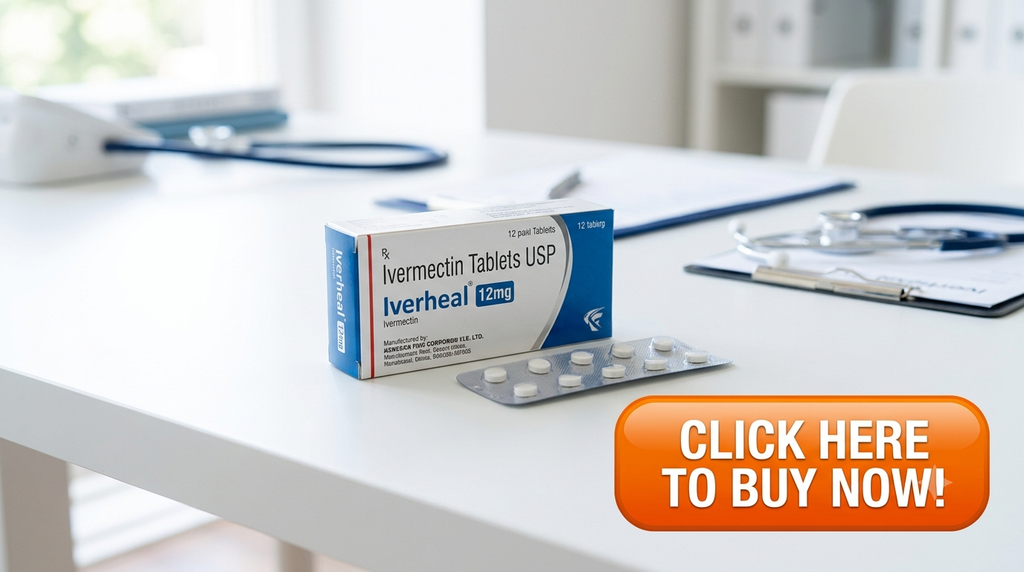
Introduction to Iverheal 12 mg
Iverheal 12 mg is an oral antiparasitic medicine containing ivermectin as its active ingredient. Healthcare professionals may prescribe ivermectin to treat certain parasitic infections, depending on the patient’s diagnosis and individual medical needs. Understanding its uses, precautions, possible side effects, and appropriate administration can help patients make informed decisions about their treatment.
This Iverheal 12 mg guide explains the medicine’s general purpose, how it works, important dosage considerations, potential adverse reactions, and responsible-use practices.
Iverheal 12 mg is not suitable for every illness, and a 12 mg tablet is not a universal dose for all patients. The appropriate treatment depends on the infection being treated, body weight, medical history, and professional assessment.
Important: Use Iverheal 12 mg only under the guidance of a qualified healthcare professional. Do not self-medicate or take additional tablets without medical advice.
What Is Iverheal 12 mg?
Iverheal 12 mg is a tablet containing 12 milligrams of ivermectin. Ivermectin belongs to a group of medicines known as antiparasitic agents. These medicines target certain parasites responsible for infections in humans.
Ivermectin acts on specific chloride channels in susceptible parasites, disrupting their nerve and muscle function. This can lead to paralysis and elimination of the parasites.
The medicine is used for particular parasitic conditions rather than as a general treatment for infections caused by bacteria or viruses.
Before starting treatment, patients should verify the active ingredient and strength printed on the medicine packaging and follow the instructions provided by their prescriber.
Iverheal 12 mg Uses
The uses of Iverheal 12 mg depend on the diagnosis and the prescribing professional’s judgment. Oral ivermectin is established as a treatment for certain parasitic infections.
1. Treatment of Strongyloidiasis
Strongyloidiasis is an intestinal infection caused by the parasitic roundworm Strongyloides stercoralis. The infection can sometimes persist for years and may cause abdominal discomfort, diarrhoea, skin symptoms, or other health problems.
Ivermectin is an established treatment for intestinal strongyloidiasis. People with suspected or confirmed infection should receive an appropriate assessment and follow-up when indicated.
2. Treatment of Onchocerciasis
Onchocerciasis, sometimes called river blindness, is a parasitic disease caused by Onchocerca volvulus. It can affect the skin and eyes.
Ivermectin helps reduce the number of immature parasites responsible for many symptoms and complications. However, it does not eliminate adult worms, so follow-up and additional treatment may be required under specialist supervision.
3. Other Parasitic Conditions
Depending on local clinical guidance and the circumstances, healthcare professionals may use ivermectin for certain additional parasitic conditions, including some cases of scabies.
Treatment for scabies requires an accurate diagnosis and an appropriate treatment plan. Topical medicines, contact management, environmental measures, or other treatments may also be necessary.
Ivermectin should not be assumed to treat every type of worm, mite, or skin infestation. The right medicine depends on the organism involved and the patient’s circumstances.
How Does Iverheal 12 mg Work?
Ivermectin interferes with the normal functioning of susceptible parasites’ nervous and muscular systems. By affecting particular chloride channels, it can cause paralysis and ultimately the death of susceptible organisms.
This mechanism helps explain why ivermectin is effective against certain parasites but is not a general-purpose antimicrobial medicine.
The medicine’s effectiveness depends on several factors, including:
- The type of parasite causing the infection.
- Whether the infection is one that responds to ivermectin.
- The prescribed dose and treatment schedule.
- The patient’s body weight and overall health.
- Whether additional treatment or follow-up is necessary.
Patients should not increase the dose if symptoms persist. Continuing symptoms may indicate that the diagnosis, treatment plan, or follow-up needs reassessment.
Iverheal 12 mg Dosage Guidelines
One of the most important points in this Iverheal 12 mg guide is that dosage must be individualized.
Although the tablet contains 12 mg of ivermectin, the appropriate amount is not determined by tablet strength alone. For established indications, ivermectin dosing is generally calculated according to body weight and the condition being treated.
A healthcare professional may consider:
- Body weight and age.
- The confirmed or suspected infection.
- Medical history and existing health conditions.
- Other medicines being taken.
- The need for repeat treatment or laboratory follow-up.
For certain infections, ivermectin may be prescribed as a single dose. Other conditions may require a different schedule, repeat dosing, or additional treatment.
How Should You Take Iverheal 12 mg?
Follow the prescription and the product-specific instructions supplied by your pharmacist or healthcare professional.
General precautions include:
- Take only the amount prescribed.
- Follow the instructions about food and timing. Instructions can differ according to the indication and product information.
- Swallow the tablet as directed with water.
- Do not repeat a dose simply because symptoms have not disappeared.
- Ask your healthcare professional what to do if you vomit after taking the medicine or miss a prescribed dose.
- Attend recommended follow-up appointments or tests.
Never assume that one 12 mg tablet is the correct dose for every adult. Do not use ivermectin veterinary products in humans.
Possible Side Effects of Iverheal 12 mg
Like other medicines, ivermectin can cause side effects. Not everyone experiences them, and the reactions may vary according to the infection being treated and the patient’s health.
Possible side effects include:
- Nausea or vomiting.
- Diarrhoea.
- Abdominal discomfort.
- Dizziness.
- Headache.
- Fatigue or weakness.
- Itching or skin rash.
Some symptoms occurring after treatment may also be associated with the body’s response to dying parasites rather than the medicine alone. A healthcare professional can help distinguish between these possibilities.
Serious Side Effects Requiring Medical Attention
Seek urgent medical care if you experience symptoms such as:
- Difficulty breathing or swelling of the face, lips, or tongue.
- Severe skin reactions, including blistering or peeling.
- Confusion, seizures, or unusual changes in consciousness.
- Extreme drowsiness or difficulty staying awake.
- Severe dizziness, fainting, or other concerning symptoms.
Do not take another dose until a healthcare professional has assessed a suspected serious reaction.
Safety Precautions Before Taking Iverheal 12 mg
Responsible use involves checking whether ivermectin is appropriate for the individual patient.
Allergies
Tell your healthcare professional about any previous allergic reaction to ivermectin or any ingredient in the medicine. Check the package insert if you have known medicine allergies.
Pregnancy and Breastfeeding
If you are pregnant, planning a pregnancy, or breastfeeding, consult your healthcare professional before taking ivermectin. The potential benefits and risks must be considered in the context of the infection and available treatment options.
Liver Problems and Other Medical Conditions
Discuss existing liver disease and other significant medical conditions with your prescriber. Share your complete medical history so the clinician can determine whether any additional precautions are necessary.
Children and Older Adults
The suitability and dose of ivermectin may differ according to age, body weight, and health status. Do not give an adult-strength tablet to a child unless a qualified healthcare professional specifically prescribes an appropriate regimen.
Older adults should also discuss their other medicines and any conditions that may increase the risk of adverse effects.
Driving and Operating Machinery
If you experience dizziness, unusual sleepiness, or impaired alertness after taking ivermectin, avoid driving or operating machinery until you are fully alert and it is safe to resume these activities.
Drug Interactions and Other Medicines
Ivermectin may interact with other medicines or require additional monitoring in particular circumstances.
Inform your healthcare professional about all prescription medicines, non-prescription products, vitamins, and supplements you use.
For example, rare reports have described an increase in the international normalized ratio (INR) in patients taking ivermectin with warfarin, an anticoagulant. Patients taking warfarin should discuss appropriate monitoring with their prescriber.
Do not stop a regular medicine or change its dose independently. A pharmacist or doctor can review the combination and determine whether precautions are needed.
Is Iverheal 12 mg Effective for Every Infection?
No. Iverheal 12 mg is not effective against every infectious disease.
Ivermectin is used for particular parasitic conditions. It does not replace antibiotics for susceptible bacterial infections or antiviral treatments when those are indicated.
The US Food and Drug Administration states that available clinical trial evidence does not establish ivermectin as an effective treatment for COVID-19 in humans. Patients should not use it for COVID-19 without an appropriate medical indication.
Likewise, unexplained itching, rashes, or digestive symptoms should not automatically be treated with ivermectin. Several conditions can cause similar symptoms, and the correct diagnosis matters.
What to Do If You Take Too Much Iverheal 12 mg
Taking more ivermectin than prescribed can cause serious adverse effects, including neurological symptoms.
Possible warning signs include pronounced dizziness, vomiting, difficulty walking, confusion, extreme sleepiness, seizures, or loss of consciousness.
If an overdose is suspected, seek urgent medical assistance. Do not wait for symptoms to worsen, and do not try to induce vomiting unless a medical professional specifically instructs you to do so.
Keep the medicine in its original packaging and bring the packaging or prescription details when seeking medical assistance.
Frequently Asked Questions About Iverheal 12 mg
1. What is Iverheal 12 mg used for?
Iverheal 12 mg contains ivermectin, an antiparasitic medicine used for certain parasitic infections. Its suitability depends on the diagnosis and the healthcare professional’s assessment.
2. Is Iverheal 12 mg a prescription medicine?
Ivermectin should be used under qualified medical guidance. Follow applicable local prescribing and dispensing requirements and obtain the medicine through a legitimate pharmacy.
3. Can I take Iverheal 12 mg every day?
Do not take it daily unless a healthcare professional has specifically prescribed that schedule. Some indications involve a single dose, while others require different treatment plans.
4. How long does Iverheal 12 mg take to work?
The time required for improvement depends on the infection, its severity, and the treatment regimen. Symptom relief may not occur immediately. Follow the recommended review schedule rather than taking extra tablets.
5. Can I use Iverheal 12 mg for itching?
Itching has many possible causes, including allergies, eczema, scabies, and other skin conditions. Ivermectin may be appropriate for certain diagnosed parasitic conditions, but it is not a general treatment for itching.
6. What should I do if I experience side effects?
Contact your healthcare professional for advice about mild or persistent symptoms. Seek urgent medical attention for breathing difficulties, severe skin reactions, seizures, or significant changes in consciousness.
7. Can I use Iverheal 12 mg for COVID-19?
Ivermectin has not been established as an effective treatment for COVID-19 in humans. Do not use it for this purpose without a valid medical indication.
Conclusion
This Iverheal 12 mg guide highlights the key information patients should understand before using ivermectin. The medicine can be useful for certain parasitic infections, but its safety and effectiveness depend on the correct diagnosis, appropriate dosing, and professional guidance.
Patients should understand the potential side effects, disclose their medical history and other medicines, and follow the prescribed treatment schedule. They should also avoid unnecessary repeat doses and seek medical attention for serious reactions.
The most important rule is simple: Iverheal 12 mg should be used for an appropriate medical indication and according to individualized professional instructions, not as a self-selected treatment for unexplained symptoms.