
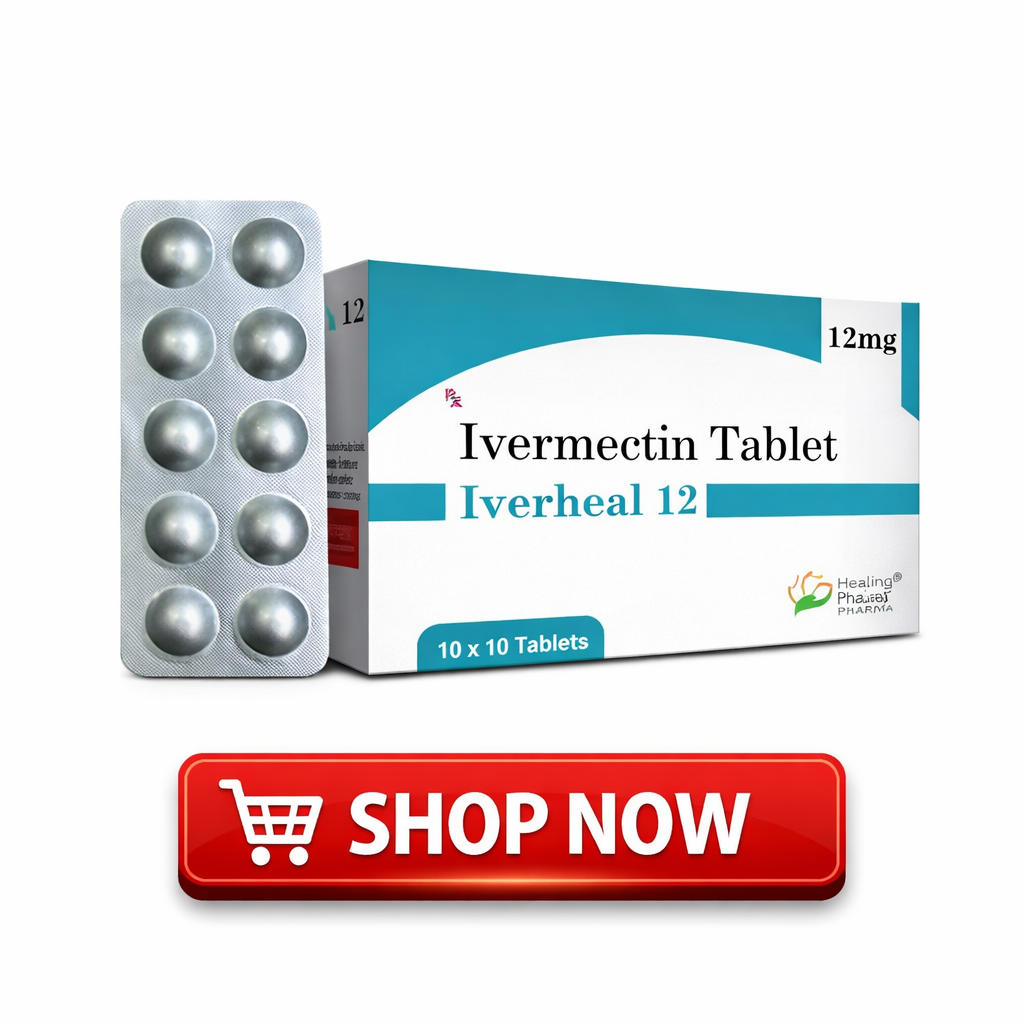
What is Iverheal 12 Treatment Tablet?
Iverheal 12 is a medication that contains ivermectin as its active ingredient. Ivermectin is a broad-spectrum antiparasitic agent that targets a variety of parasites affecting humans. It works by interfering with the nervous system of parasites, leading to their paralysis and death.
This tablet is commonly prescribed to treat infections caused by:
- Roundworms
- Scabies mites
- Head lice
- Certain types of filarial worms
The 12 mg dosage is often used for adults and children above a certain weight threshold, depending on the infection being treated.
How Iverheal 12 Works in the Body
Ivermectin, the active compound in Iverheal 12, binds to specific chloride channels in the nerve and muscle cells of parasites. This binding increases the permeability of the cell membrane to chloride ions, causing hyperpolarization. As a result, the parasites become paralyzed and eventually die.
This mechanism is highly effective against many parasites but does not affect human nerve cells in the same way, making it safe when used as directed.
Common Uses of Iverheal 12 Treatment Tablet
Treating Parasitic Worm Infections
Iverheal 12 is effective against several types of parasitic worms, including:
- Strongyloidiasis: An infection caused by the roundworm Strongyloides stercoralis, which can cause gastrointestinal symptoms and skin rashes.
- Onchocerciasis (River Blindness): Caused by the Onchocerca volvulus worm, this disease can lead to severe itching and vision loss if untreated.
Managing Scabies and Lice
Scabies is caused by tiny mites burrowing into the skin, leading to intense itching and rash. Iverheal 12 can eliminate these mites effectively, especially in cases where topical treatments fail or are impractical.
Similarly, head lice infestations can be treated with ivermectin tablets, offering an alternative to shampoos and lotions.
Emerging Uses and Research
Recent studies have explored ivermectin’s potential in treating other conditions, including some viral infections. While these uses are still under investigation, the established antiparasitic benefits remain the primary reason for prescribing Iverheal 12.
Dosage and Administration Guidelines
Proper dosing of Iverheal 12 depends on the infection type, patient weight, and other health factors. Typically, a single dose of 12 mg is given for certain infections, but some conditions may require repeated doses.
Important points to remember:
- Take the tablet on an empty stomach with water.
- Follow the healthcare provider’s instructions carefully.
- Do not self-medicate or change the dose without consulting a doctor.
- Inform your doctor about any other medications or health conditions.
Safety and Side Effects
Iverheal 12 is generally well tolerated, but some patients may experience side effects. Common mild side effects include:
- Dizziness
- Nausea
- Diarrhea
- Mild skin rash
Severe allergic reactions are rare but require immediate medical attention. Patients with liver problems or certain neurological conditions should use this medication cautiously.
Practical Tips for Patients Using Iverheal 12
- Complete the full course even if symptoms improve early.
- Avoid alcohol during treatment to reduce side effects.
- Maintain good hygiene to prevent reinfection, especially with scabies or lice.
- Inform your healthcare provider if symptoms persist or worsen.
The Role of Iverheal 12 in Public Health
Ivermectin-based treatments like Iverheal 12 have played a significant role in controlling parasitic diseases in many parts of the world. Mass drug administration programs have helped reduce the prevalence of diseases such as onchocerciasis and lymphatic filariasis, improving quality of life in affected communities.
Summary of Key Benefits
- Effective against a wide range of parasites
- Easy oral administration
- Generally safe with low incidence of serious side effects
- Supports public health efforts in parasite control