
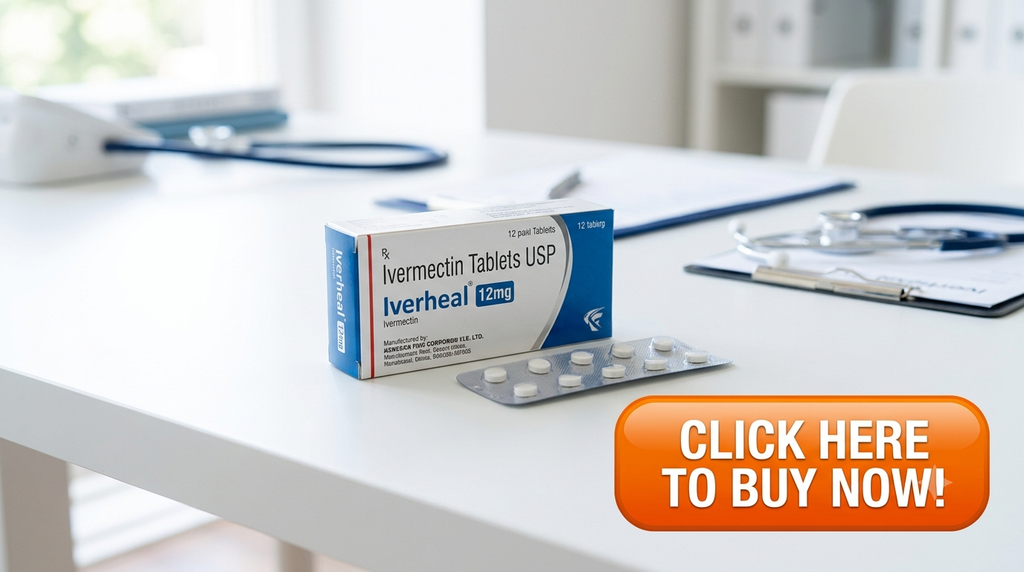
Iverheal 12 mg Safety Information: Side Effects, Warnings, and Precautions
Introduction
Understanding Iverheal 12 mg safety information is important before using this medicine. Iverheal 12 mg is a brand of ivermectin, an antiparasitic medicine used to treat certain infections caused by parasites. Although ivermectin can be effective when prescribed for an appropriate condition, its safety depends on the patient’s health, body weight, diagnosis, other medicines, and prescribed dose.
Taking this medicine without proper medical guidance, using an incorrect dose, or repeating treatment unnecessarily may increase the risk of adverse effects. Patients should understand the potential side effects, precautions, drug interactions, and warning signs before beginning treatment.
What Is Iverheal 12 mg?
Iverheal 12 mg contains ivermectin, an antiparasitic drug that acts against certain parasites. Oral ivermectin is used for specific parasitic infections, including strongyloidiasis and onchocerciasis in appropriate clinical settings. Depending on local medical guidance, ivermectin may also be prescribed for certain other parasitic conditions.
The number 12 mg indicates the tablet’s stated strength. It does not mean that every patient should take one tablet or that the same dose is suitable for every infection.
The correct dose and treatment schedule depend on the condition being treated and individual patient factors. Always verify the product ingredients and instructions on the packaging and follow the prescription provided by a qualified healthcare professional.
Is Iverheal 12 mg Safe?
Iverheal 12 mg may be appropriate for patients who need ivermectin and receive a medically suitable prescription. However, no medicine is completely free from risk.
Safety depends on several factors:
- Whether the diagnosis is appropriate for ivermectin treatment.
- Whether the prescribed dose matches the patient’s needs.
- Whether the patient has allergies or other medical conditions.
- Whether other medicines could interact with ivermectin.
- Whether pregnancy, breastfeeding, or other special circumstances apply.
- Whether the product comes from a legitimate, reliable pharmacy.
Do not take Iverheal 12 mg simply because someone else used it successfully. A medicine that is suitable for one person may not be appropriate for another.
Common Side Effects of Iverheal 12 mg
Some people experience mild side effects while taking oral ivermectin. The symptoms and their severity can vary depending on the infection being treated and the individual’s response to the medicine.
Possible side effects include:
1. Nausea
Nausea may occur after taking ivermectin. If it persists, becomes severe, or prevents you from drinking fluids, contact your healthcare professional.
2. Vomiting
Vomiting is another possible adverse effect. Do not automatically repeat a dose if vomiting occurs after taking the medicine. Ask your doctor or pharmacist whether any further action is needed.
3. Diarrhea
Some patients may experience loose stools or diarrhea. Seek medical advice if symptoms are persistent, severe, or accompanied by signs of dehydration.
4. Abdominal discomfort
Stomach pain, bloating, or abdominal discomfort may occur. Severe or worsening abdominal pain should not be ignored.
5. Dizziness
Ivermectin can cause dizziness in some people. Avoid driving, operating machinery, or performing hazardous activities if you feel dizzy or less alert.
6. Weakness or fatigue
Some individuals may experience weakness or tiredness. If these symptoms are pronounced, persistent, or accompanied by other unusual symptoms, consult a healthcare professional.
Not everyone experiences these effects. Report persistent or troublesome symptoms to your prescriber rather than changing your treatment independently.
Serious Side Effects and Warning Signs
Although serious reactions are less common, it is important to recognize symptoms that require prompt medical attention.
Seek emergency medical assistance if you experience:
- Difficulty breathing or swelling of the face, lips, tongue, or throat.
- Severe confusion, unusual drowsiness, or difficulty staying awake.
- Seizures, fainting, or significant problems with balance or coordination.
- A severe skin reaction involving blistering or peeling.
- Sudden or significant vision changes.
- Severe weakness or rapidly worsening symptoms.
Severe neurological effects and other serious reactions can occur, particularly with excessive exposure or in certain clinical circumstances. Do not take additional tablets while waiting for medical advice if you suspect a serious reaction.
Some reactions may also be related to the body’s response to the death of parasites rather than a direct effect of the medicine. A healthcare professional can help distinguish between these possibilities.
Important Precautions Before Taking Iverheal 12 mg
1. Inform Your Doctor About Allergies
Tell your healthcare professional if you have previously experienced an allergic reaction to ivermectin or any ingredient in the tablet. Do not take the medicine again without medical advice if you have a suspected allergy.
2. Discuss Your Medical History
Before treatment, disclose relevant medical conditions and previous medication reactions. Patients with weakened immune systems or complex medical histories may require individualized assessment and follow-up.
Tell your doctor about any liver disease or other significant health problem. Your clinician can determine whether additional precautions or monitoring are necessary.
3. Pregnancy and Breastfeeding
If you are pregnant, planning pregnancy, or breastfeeding, consult your doctor before using Iverheal 12 mg.
Safety during pregnancy has not been adequately established, and ivermectin should not be self-administered during pregnancy. During breastfeeding, a healthcare professional should weigh the potential benefits of treatment against possible risks to the infant.
Do not assume that a medicine is safe during pregnancy or breastfeeding simply because it is used for parasitic infections.
4. Use in Children
Children require particular care because dosing may depend on body weight, the infection being treated, and age-related clinical considerations.
Never give a child a 12 mg tablet based solely on an adult’s prescription. A pediatrician or other qualified healthcare professional should determine the appropriate treatment.
5. Older Adults
Older adults may have additional medical conditions and take several medicines at once. A medication review can help identify potential interactions and determine whether closer observation is needed.
Drug Interactions: What Should You Tell Your Doctor?
Ivermectin may interact with other medicines. Tell your doctor and pharmacist about every prescription medicine, over-the-counter product, vitamin, herbal remedy, and supplement you use.
Particular attention may be necessary when taking:
- Warfarin and other medicines that affect blood clotting.
- Sedatives or medicines that cause drowsiness.
- Medicines used to treat seizures or neurological conditions.
- Other treatments that could affect ivermectin exposure or increase adverse effects.
Rare reports describe increased INR in people taking ivermectin with warfarin. INR monitoring or other precautions may be appropriate when a healthcare professional identifies a potential interaction.
This list is not exhaustive. Do not stop prescribed medicines or combine treatments without professional advice.
How to Take Iverheal 12 mg Safely
Safe use starts with following the instructions given for your specific diagnosis.
Follow these precautions:
- Take the medicine only when it has been prescribed or specifically recommended by an authorized healthcare professional.
- Follow the exact dose and timing on your prescription.
- Confirm whether your treatment instructions require taking the tablet on an empty stomach with water. Oral ivermectin instructions may differ by indication and local product guidance.
- Do not increase the dose because symptoms have not improved immediately.
- Do not repeat treatment or take extra tablets without medical advice.
- If you miss a scheduled dose, contact your prescriber for instructions rather than doubling the next dose.
- Attend recommended follow-up appointments and tests.
For certain parasitic infections, follow-up examinations may be needed to determine whether treatment has worked. Feeling better does not always establish that the infection has cleared.
What Happens If You Take Too Much Iverheal 12 mg?
Taking more ivermectin than prescribed can be dangerous. Potential overdose symptoms include nausea, vomiting, diarrhea, dizziness, low blood pressure, impaired coordination, confusion, seizures, and reduced consciousness.
If you suspect an overdose, seek urgent medical advice or contact your local emergency service. Do not wait for symptoms to become severe.
Keep the medicine packaging available so healthcare professionals can identify the product and strength. Do not attempt to manage a suspected overdose by taking additional medicines unless instructed by a medical professional.
Never use veterinary ivermectin products in humans. Animal formulations and concentrations may differ substantially from products intended for people.
Can Iverheal 12 mg Be Used for COVID-19?
Ivermectin should not be used to prevent or treat COVID-19 unless a healthcare professional is addressing a specific, evidence-based clinical indication under applicable guidance. The US Food and Drug Administration has not authorized or approved ivermectin for COVID-19 prevention or treatment in humans.
Laboratory findings alone do not establish that a medicine is effective or safe for a particular disease in people. Do not use Iverheal 12 mg as a substitute for recommended COVID-19 prevention measures or appropriate medical treatment.
Storage and Handling Guidelines
Proper storage helps maintain the medicine’s quality and reduces accidental exposure.
- Keep tablets in their original packaging when possible.
- Follow the storage conditions stated on the product label.
- Protect the medicine from excess heat and moisture.
- Keep it out of the reach of children and pets.
- Do not use tablets beyond their expiry date.
- Ask a pharmacist how to dispose of unused medicine safely.
Purchase medicines from legitimate pharmacies and check the packaging, expiry date, and product information before use.
Frequently Asked Questions About Iverheal 12 mg Safety
Is Iverheal 12 mg safe for everyone?
No. Its suitability depends on the patient’s diagnosis, health history, other medicines, and individual risk factors. A healthcare professional should assess whether it is appropriate.
Can I take Iverheal 12 mg without a prescription?
Self-medication is not recommended. An incorrect dose or treatment for the wrong condition can cause harm or delay appropriate care.
What are the most common side effects?
Possible side effects include nausea, vomiting, diarrhea, abdominal discomfort, dizziness, and weakness. Serious symptoms require prompt medical assessment.
Can I take another tablet if the first one does not work?
No. Do not repeat or increase the dose without consulting your prescriber. The appropriate treatment schedule depends on the infection and individual circumstances.
Is Iverheal 12 mg safe during pregnancy?
Pregnant patients should not self-administer ivermectin. Consult a healthcare professional because safety during pregnancy has not been adequately established.
Can I use Iverheal 12 mg for a viral infection?
Ivermectin is an antiparasitic medicine, not a general treatment for viral infections. It is not approved by the FDA for COVID-19 prevention or treatment in humans.
What should I do if I experience side effects?
Contact your healthcare professional if symptoms persist or cause concern. Seek emergency assistance for difficulty breathing, seizures, severe confusion, fainting, or a serious skin reaction.
Conclusion
Iverheal 12 mg safety information should be reviewed before starting treatment with this ivermectin tablet. Although ivermectin can be useful for certain parasitic infections, its safe use depends on the correct diagnosis, appropriate dosing, awareness of possible interactions, and recognition of adverse effects.
Avoid self-medication, never use veterinary formulations in humans, and seek professional advice if you are pregnant, breastfeeding, treating a child, taking other medicines, or managing a significant medical condition.
The safest approach is to use Iverheal 12 mg only according to appropriate medical guidance and to seek prompt help if serious symptoms occur.
Medical disclaimer: This article is for educational purposes only and does not replace professional medical advice, diagnosis, or treatment. Product-specific instructions may vary. Consult a qualified healthcare professional or pharmacist before using Iverheal 12 mg.